The Kind of Monster You Know: Writing Rick
Why The Alpha Flame needed a threat that feels real, human, and terrifyingly ordinary.

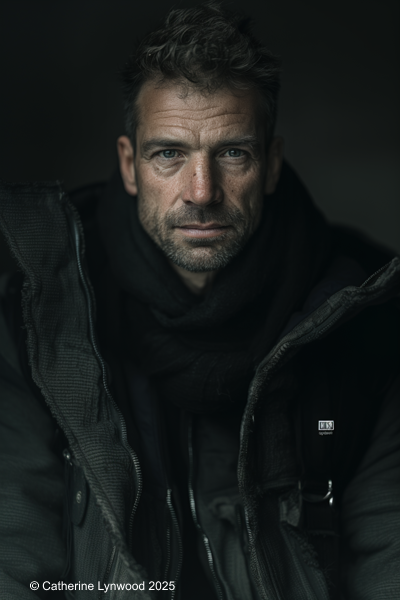
The Kind of Monster You Know
There’s a certain comfort in the idea of monsters being obvious. Twisted faces. Maniacal laughter. A flashing neon sign that says: villain.
But the real world doesn’t work like that. And neither does The Alpha Flame. Rick isn’t a cartoon villain. He isn’t some unknowable boogeyman. He’s someone you might know. Someone you might trust. Someone who thinks he’s reasonable, even when he’s not.
That’s what makes him dangerous. Not just to Maggie and Beth, but to anyone who’s ever ignored a sinking feeling in their gut because they didn’t want to be rude. He doesn’t see himself as evil. He has reasons. Excuses. A way of talking that sounds calm, maybe even kind. Until it isn’t.
Writing Rick meant holding a mirror to the kind of darkness that doesn’t wear a mask. The kind that lives next door. The kind that waits, patient and polite, until he knows you can’t run.
No Safe Distance
I didn’t want readers to feel safe around Rick. I didn’t want them to dismiss him as fiction. Because the scariest part of his character is how real he feels. How easy it is to see his justifications. How normal he can seem, right up until the moment he isn’t.
That’s why there’s no cartoon villainy here. No dramatic monologues or over-the-top violence for spectacle’s sake. Just an ordinary man with extraordinary capacity to harm, if it gets him what he wants.
In The Alpha Flame, there’s no promise that you’ll see the danger coming. And that’s what makes it real. That’s what makes it frightening. And that’s why I wrote Rick the way I did.