Finding My Voice, Writing Style and Structure in The Alpha Flame: Discovery
First-person. Chapter by chapter. No long dashes. Just voice, rhythm, and truth.

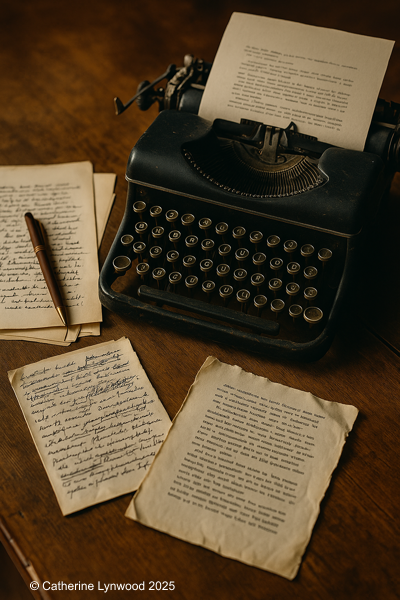
I didn’t write *The Alpha Flame: Discovery* in a straight line. I didn’t outline every chapter. I didn’t follow a formula. What I did do, was listen.
This book is built on voices. On rhythm. On emotional truth. Some chapters poured out of me in a single sitting. Others were torn apart and rebuilt half a dozen times. But throughout, I kept asking the same question: Does this feel real?
Because for a book like this, raw, character-driven, emotionally jagged, style isn’t a luxury. It’s a lifeline.
Why First-Person?
I’ve always loved first-person narratives, but they only work if the voice carries weight. With *The Alpha Flame*, I knew the story had to live inside the characters. Maggie, especially, thinks in sharp edges and flicker-fire thoughts. To tell her story in third person would’ve dulled her.
First-person brings immediacy. It also brings limits. You only know what the narrator knows. That was a conscious decision, to keep readers in the dark with the character, not ahead of them. When things unfold, they unfold in real time. No foreshadowing. No detachment.
The Rotating POV Structure
Each chapter is told from a single point of view. Usually Maggie, sometimes Beth, occasionally Rob or Graham. This wasn’t just for variety, it was about clarity. When a character is under pressure, emotionally charged, or hiding something, I wanted that to come through their filter. Their tone. Their silences.
I looked at other books that switch POVs, some alternate each chapter rigidly, some blur the voices together. I chose instead to keep it **rooted**: when you’re in Maggie’s chapter, you’re in her skin. When you switch to Beth, it’s like falling into water.
The Pacing of Emotion
I like contrast. A quiet moment followed by violence. A joke in the middle of grief. A long silence broken by something simple, or devastating. The style of *The Alpha Flame* mirrors that rhythm: some chapters are tight, fast, jagged. Others breathe. Pause. Linger on a memory. That’s deliberate. That’s how trauma feels.
Stylistic Choices (and Non-Negotiables)
- No long dashes. Ever. I use commas, semicolons, ellipses, but no em dashes. It’s a stylistic decision. Cleaner. Less fussy.
- Dialogue is lean. Natural. Often untagged, because if it flows, the reader will follow. I trust the rhythm of the voice to carry it.
- Internal monologue is not italicised. I treat thoughts like part of the prose, because for Maggie and Beth, thought and reaction are often the same thing.
Why It Matters
Style isn’t just grammar. It’s identity. It’s how you tell the reader what kind of story they’re in, without ever saying it. In *The Alpha Flame*, the style reflects the characters: sometimes wounded, sometimes fiery, never quite polished.
I didn’t want a slick thriller. I wanted a book that felt lived in. And the voice had to match that. Rough in places. Honest always.
If you pick up the book, I hope you feel it. Not just the words, but the rhythm behind them.
Read Chapter One and see for yourself how it begins. The voice may be sharp, but it speaks for more than just itself.